Why flow works
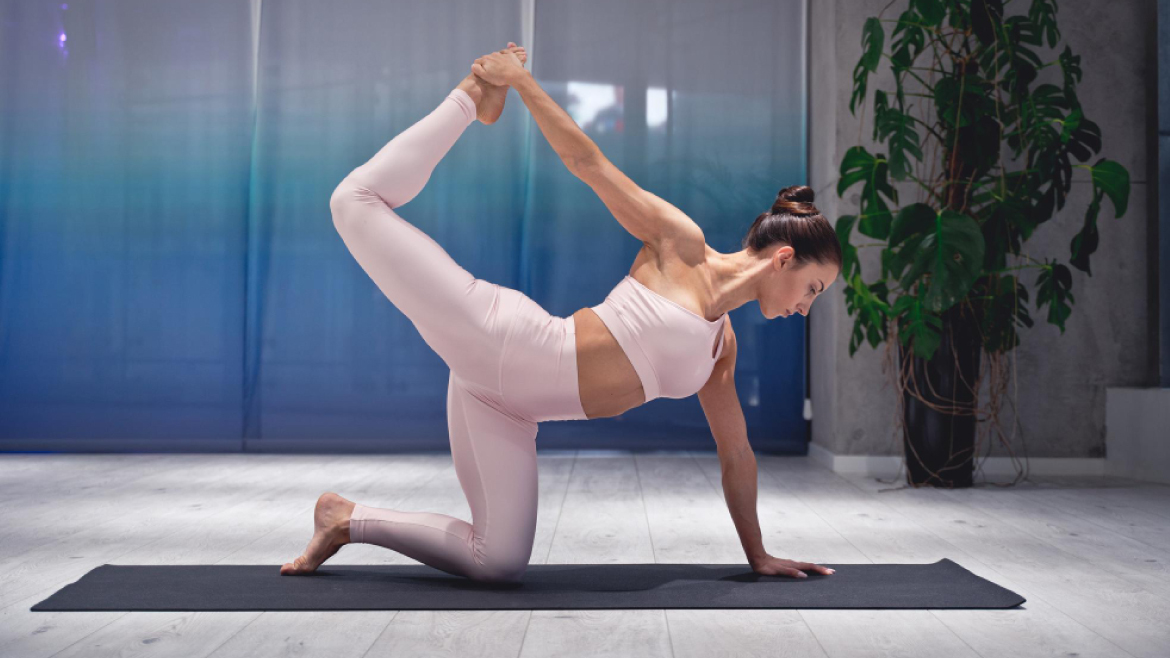
Vinyasa is less about “hard poses” and more about how you move between them. That’s where joints learn coordination, stabilisers wake up, and the mind practises staying present under changing conditions.
Benefits by layer
- Mental: Better focus switching, clearer priorities after class, calmer self-talk.
- Physical: Integrated core strength, shoulder and hip mobility, gentle cardio effect.
- Emotional: A constructive outlet for stress; grounded energy without the crash.
- Spiritual: Breath becomes a moving mantra; intention translates into action.
Anatomy of a thoughtful studio sequence
A well-designed class at MindfulSpace4u often follows an arc:
- Arrival: Breath + simple spinal waves to “log in” to the body.
- Warm flow: Sun salutations scaled to the room; options to step or hop.
- Theme work: E.g., hip external rotation or shoulder stability woven through standing flows.
- Peak without spike: Poses that challenge but don’t jolt the nervous system.
- Downshift: Grounded shapes, twists, supported backbends.
- Integration: A few quiet minutes to let the body remember.
What to pay attention to (more valuable than “nailing” a pose)
- Breath consistency: Can you keep it smooth during transitions?
- Joint stacking: Wrist–elbow–shoulder in planks; knee over second toe in lunges.
- Range you can own: Choose variations you can breathe in—not perform in.
- After-feel: An hour later, do you feel organised and calm? That’s good programming.
Modifications you’ll actually see offered
- Wrists: Forearm plank, fists, or wedge props.
- Hamstrings/low back: Soften the knees in folds, shorten your stance.
- Shoulders: Cobra instead of Upward Dog; blocks under hands to create space.
- Energy levels: Child’s Pose or constructive rest anytime; rest is part of the practice.
Small practices between classes
- 90-second “desk flow”: Seated Cat–Cow → shoulder rolls → figure-4 ankle over knee, breathe five times.
- Two-cycle reset: Inhale for 4, exhale for 6, twice. Then continue your day.
Permission slip: Progress in Vinyasa is measured in softer jaws, steadier breathing, and kinder choices—not deeper shapes.